Best 16 Traffic Sources for Zero-Click Websites (+ Performing Examples)
Best 16 Traffic Sources for Zero-Click Websites (+ Performing Examples)
Best 16 Traffic Sources for Zero-Click Websites (+ Performing Examples)
Here are 16 traffic sources for the ones who need a headstart in discoverability.
Here are 16 traffic sources for the ones who need a headstart in discoverability.

Adebayo Peter
Adebayo Peter
● 7 min read
● 7 min read
● 7 min read
We’ve all been there:
“How do I go from zero to one with my website traffic?”
Attempting to answer that question has led to this most comprehensive article about traffic sources for new websites, products, or tools.
This is Ranktio’s first article, so we are also following some of these to boost the traffic and get the best out of the sources that appeal to us.
Each traffic source will feature what it does, the best WAY to get the best out of it, and an example of someone, particularly like you, getting the best out of it.
Let’s get started.
Google
The elephant in the room. Google shows searchers the best content that answers their queries. How do you get the best out of it?
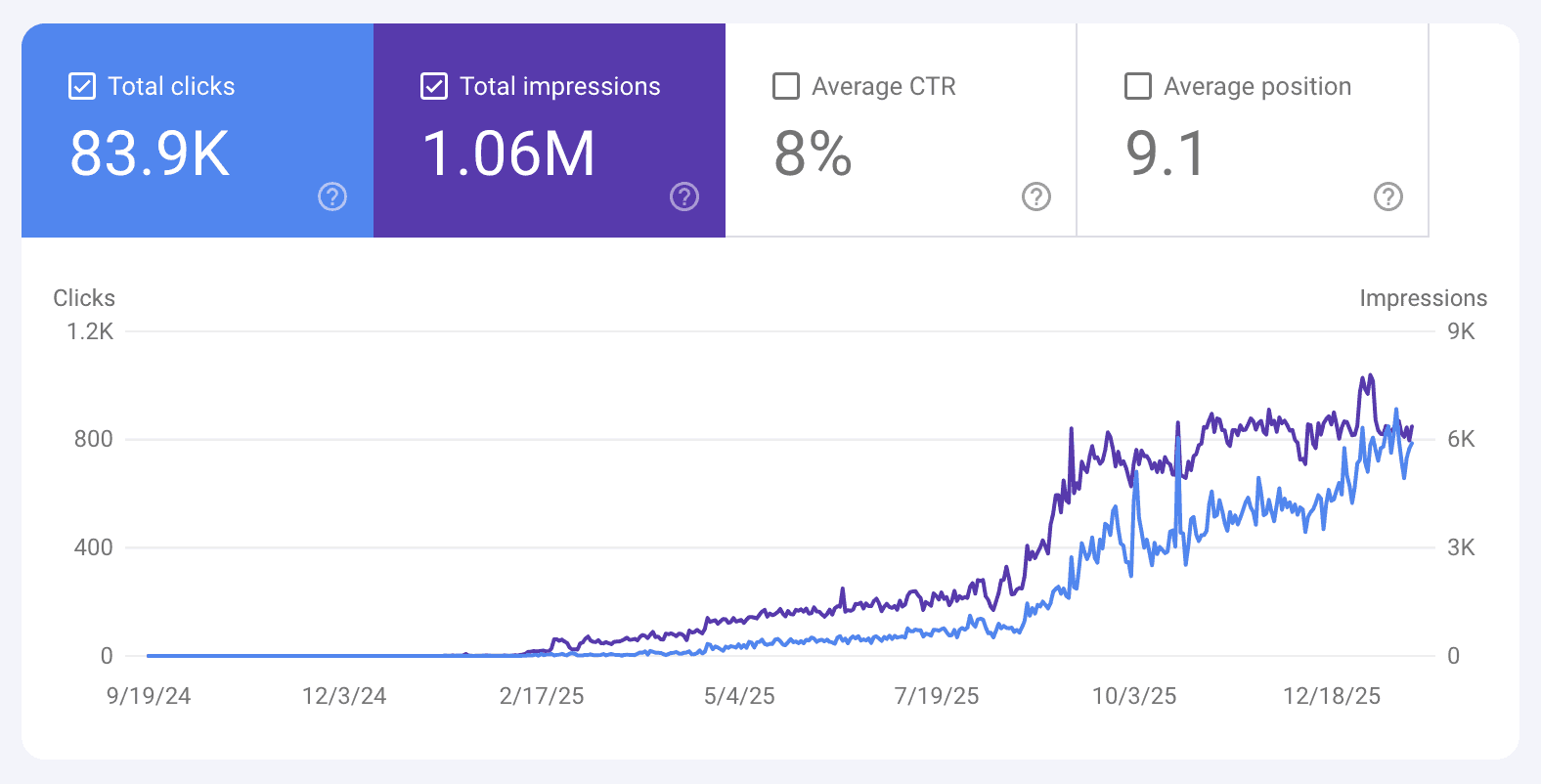
By SEO, thorough content optimization, and authority building. Xound, an AI audio cleaner, is an example of a tool getting the best out of Google. Their “Audio Quality Enhancer” page, created after 2 years of the website going live, is now generating about 60% of the website traffic and 18k visits monthly - from Google alone.
LLMs
The new and, predictably so, the next elephants in the room are LLMs. These are the ChatGPT, Perplexity, Claude, Gemini, and, interestingly, GenSpark are now sending thousands of users to specific websites. We have done this for a client before.
By providing concise, detailed, and up-to-date content that generative AIs can easily summarise, understand, and quote, you can get your business upfront in their mentions. Additionally, getting mentioned in pages that LLMs are already citing is a plus for you.
Directories Websites
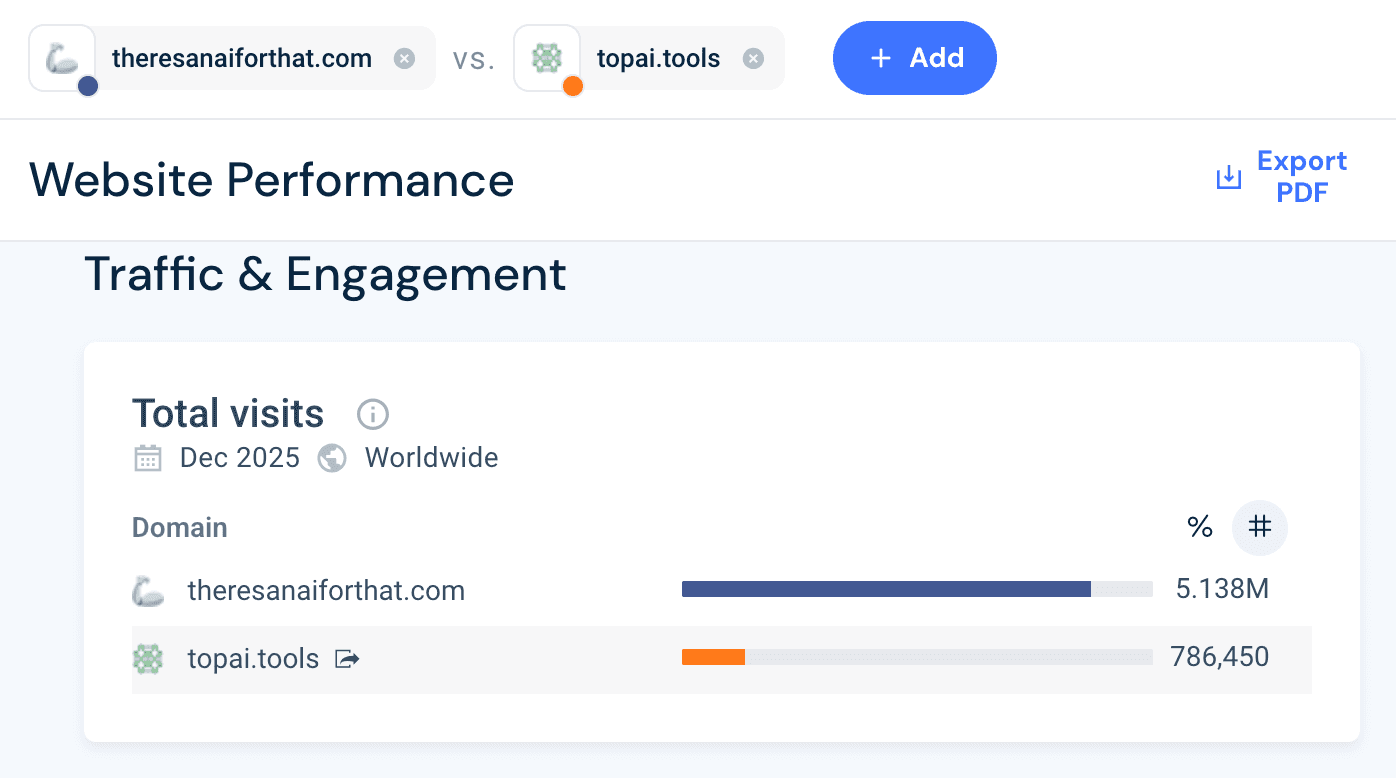
The advent of generative AIs has birthed a lot of new business opportunities, one of which is the compilation and curation of good AI tools. A platform like TAAFT and TopAI was visited for more than 6 million times in December 2025 alone.
Submitting your tool (doesn’t have to be AI tools alone) on directories like this is a free traffic booster. Make sure to fill out every form required to get your tool submitted, and you’re live in the pool.
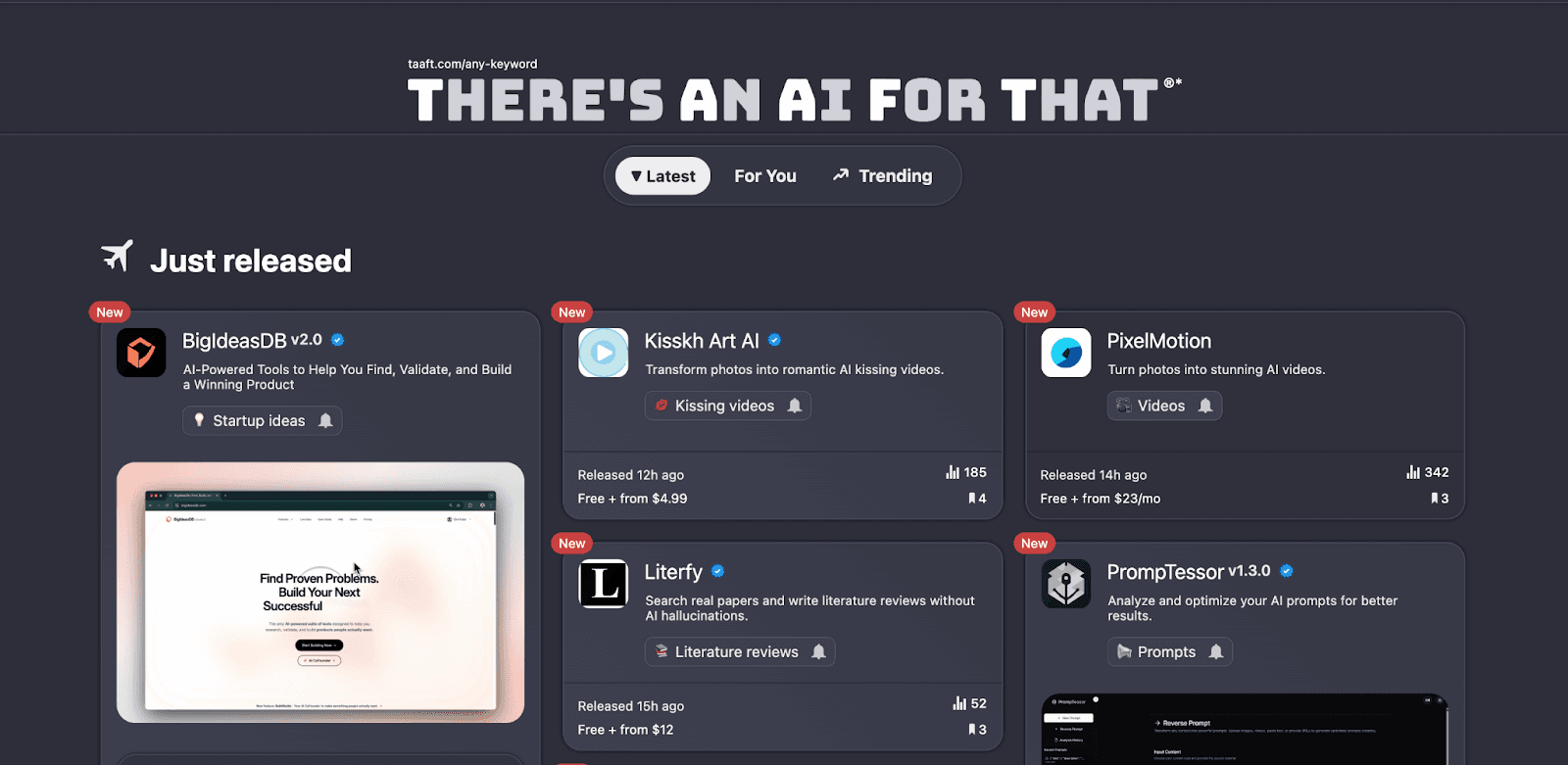
For TAAFT, new tools are displayed on its homepage. With the right titles and descriptions, your CTR can run wild.
Here’s a downloadable checklist of the best directories you can submit your website to. These are specifically curated and ranked.
Google Images
Google can pick up any shared picture online. And when it does, thousands of searchers can be directed to your website from there.
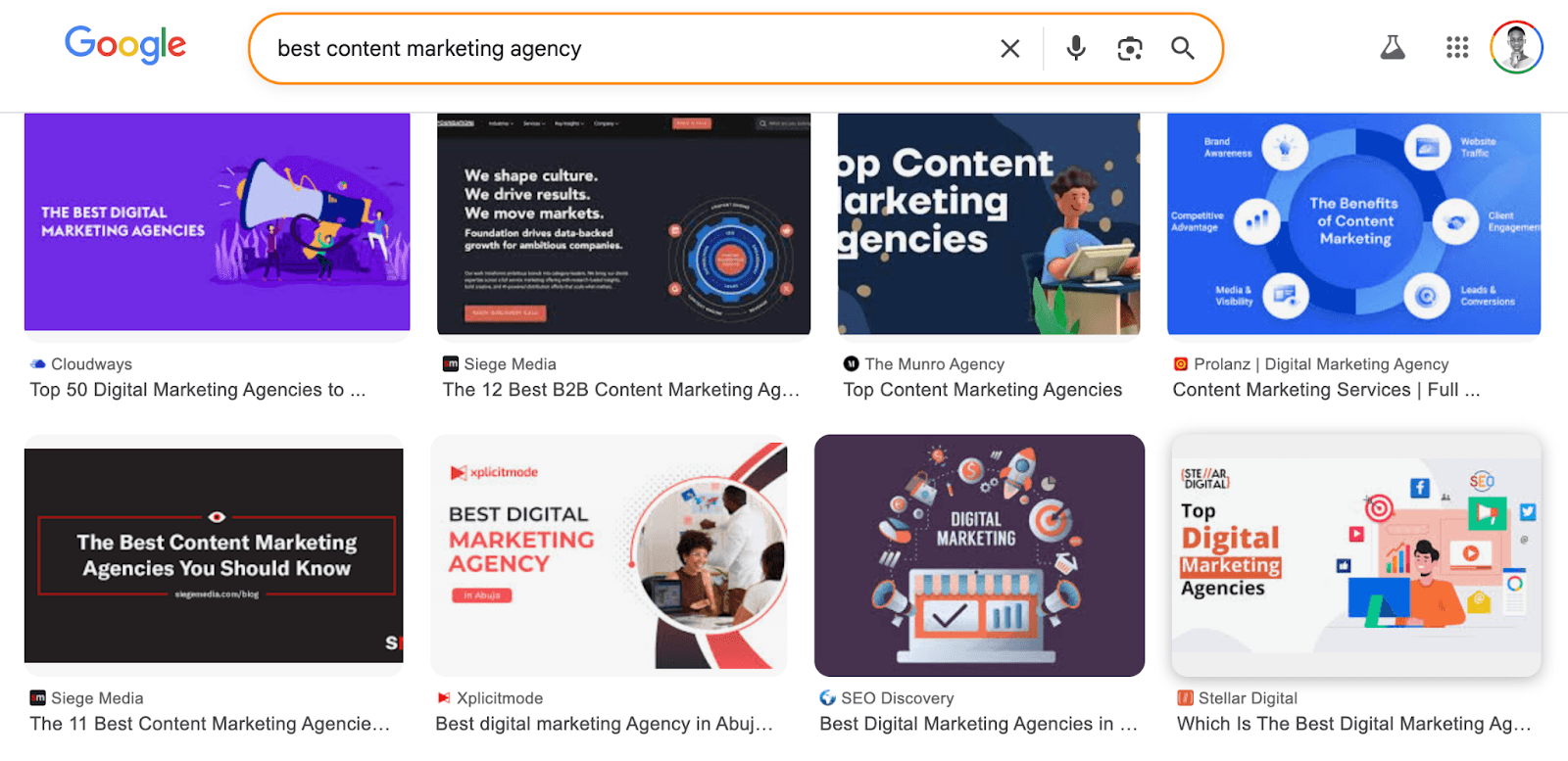
Stellar Digital is a 17-DR-rated website, ranking alongside industry leaders like Siege Media, for the highly competitive keyword “best content marketing agency” on Google Images.
With 62.6% of all searches on Google Web Search being on Google Images, optimizing every image on your website is the ideal move.
When you share images, optimize the filename, alt text, and schema to appear and be considered for ranking when relevant queries are searched.
LinkedIn
Although I have no account on it (my account is banned ‘for now’), I believe this professional platform of more than 800 million users is an effective traffic source to market your tool if you’ve got zero clicks.
Share thought leadership, team wins, comment on relevant posts, use hashtags, and share short, interesting videos.
Medium
Medium houses some of the best writers in the world, and in fact, it’s still home to some big brands' blogs and updates.
Share relevant content, updates, blogs, or just general thoughts (works best if it’s contrarian) on Medium and include links to your sites, contact pages, and additional resources from there.
For example, the image below is an article about the best AI tools of 2026. Everybody does that, right?
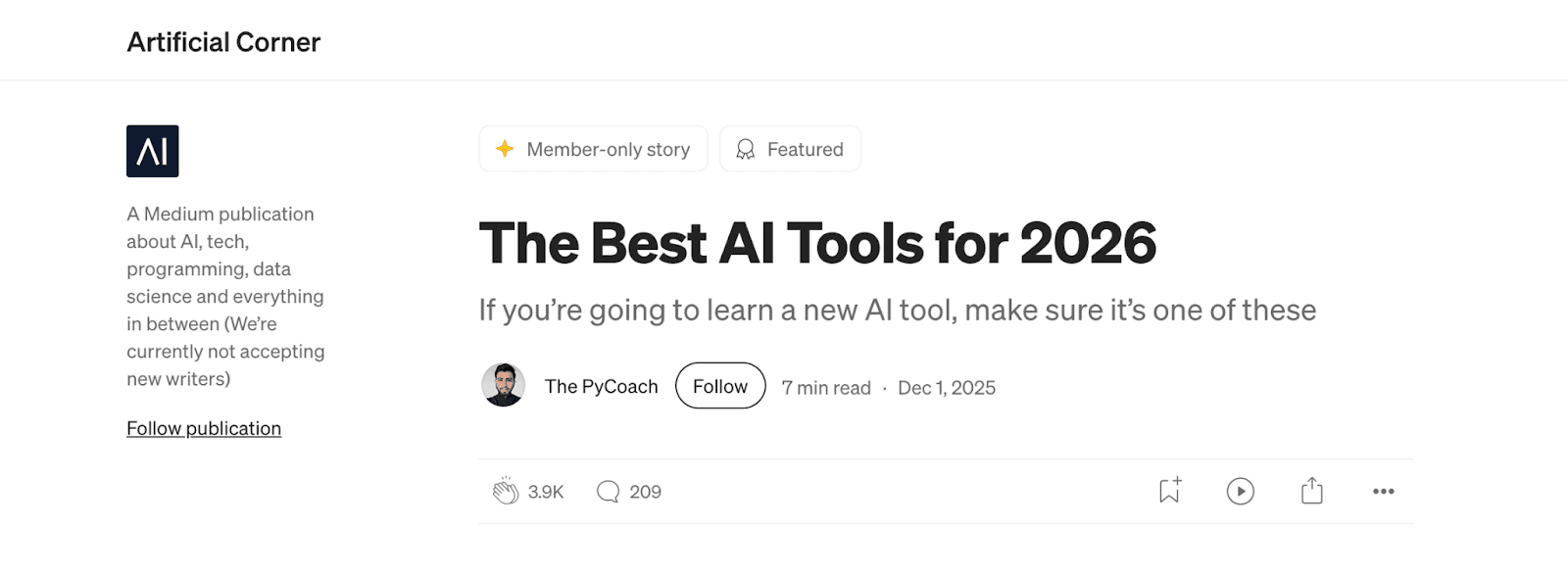
But when you dive into the article, it’s a gated one, which only paid members can read.
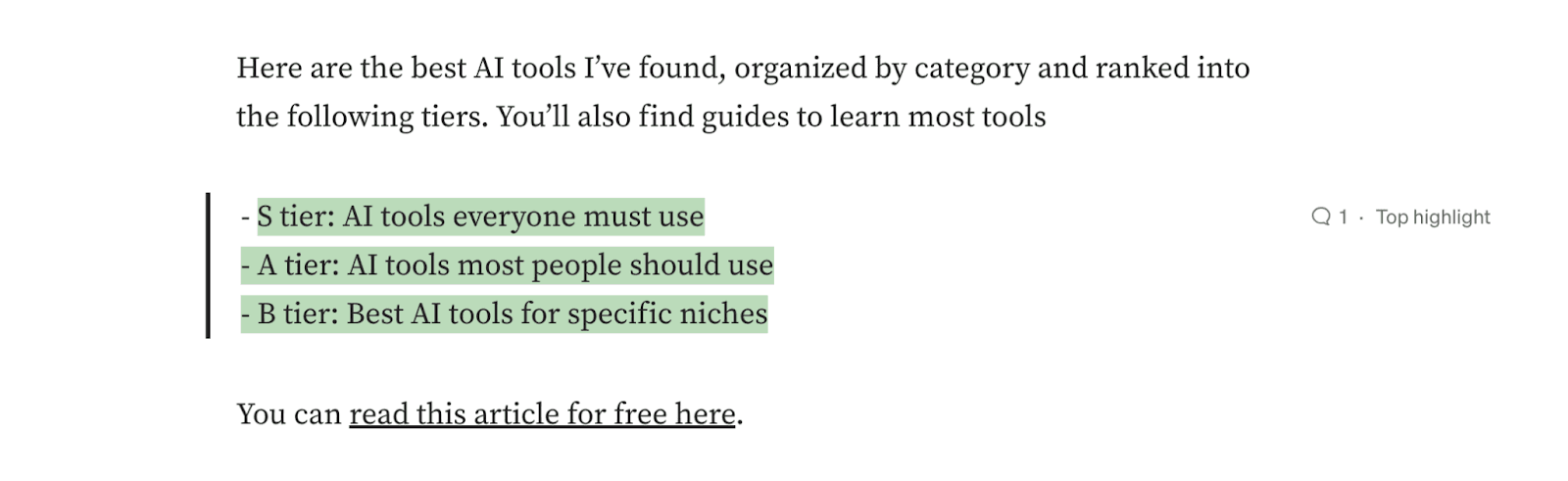
A gated article that only paid members can read, but if you’re a free member, you have to visit another website to read it - effectively sending free readers from Medium.
Note: Medium has about 100 million monthly readers, and only 1 million of those are paid ones. That means, 99% of readers on Medium will miss gated content and can be sent to your website.
Substack
Similar to Medium is Substack. I have no personal experience with it before (not as a creator or a reader either), but it’s still one of the best places to build traffic sources (if you already have an audience there).
If you do not have any, you can skip it and jump to Medium with its natural audiences. Publish thought-leadership content and link back to your site.
AppSumo
This is a discount site, and there are plenty like it. AppSumo is being visited more than [number of monthly visits] every month. You don’t just get traffic on it, but you get them as paying customers. It lets you give your tool out as a discounted one-time payment.
With over 1.5 million users, you can expect to get interested buyers from Appsumo’s pie.
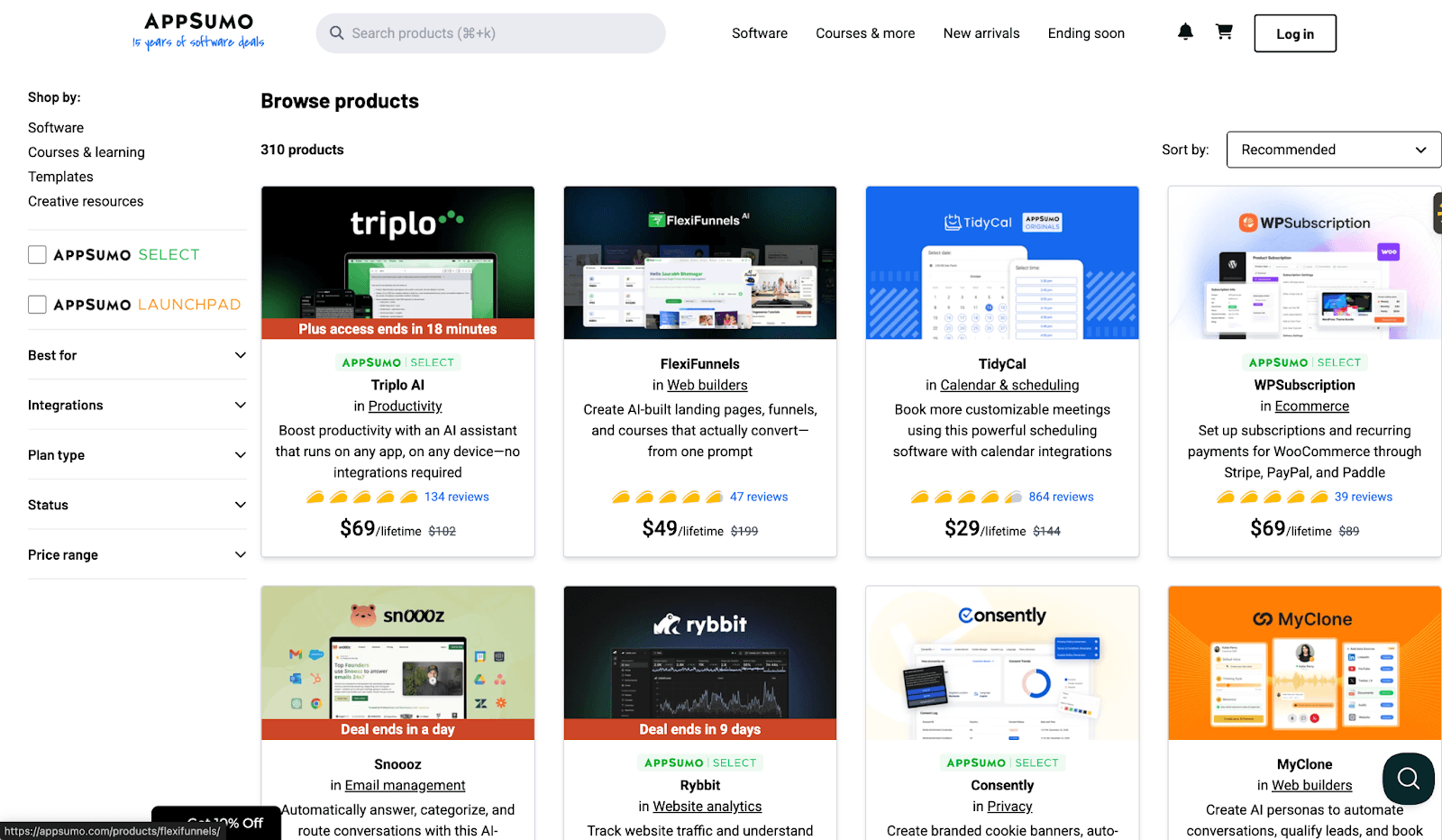
Add optimized title, description, product features, and highlight the target audiences that your tool serves.
Email marketing
Like Substack, but on a grander scale, email marketing lets you reach targeted audiences without the algorithm/audience mixed up you get with Google and SEO. The only hindrance here is that it gets hard without an audience, and if you’re trying to get started without paying for newsletters with big audiences already.
Reddit
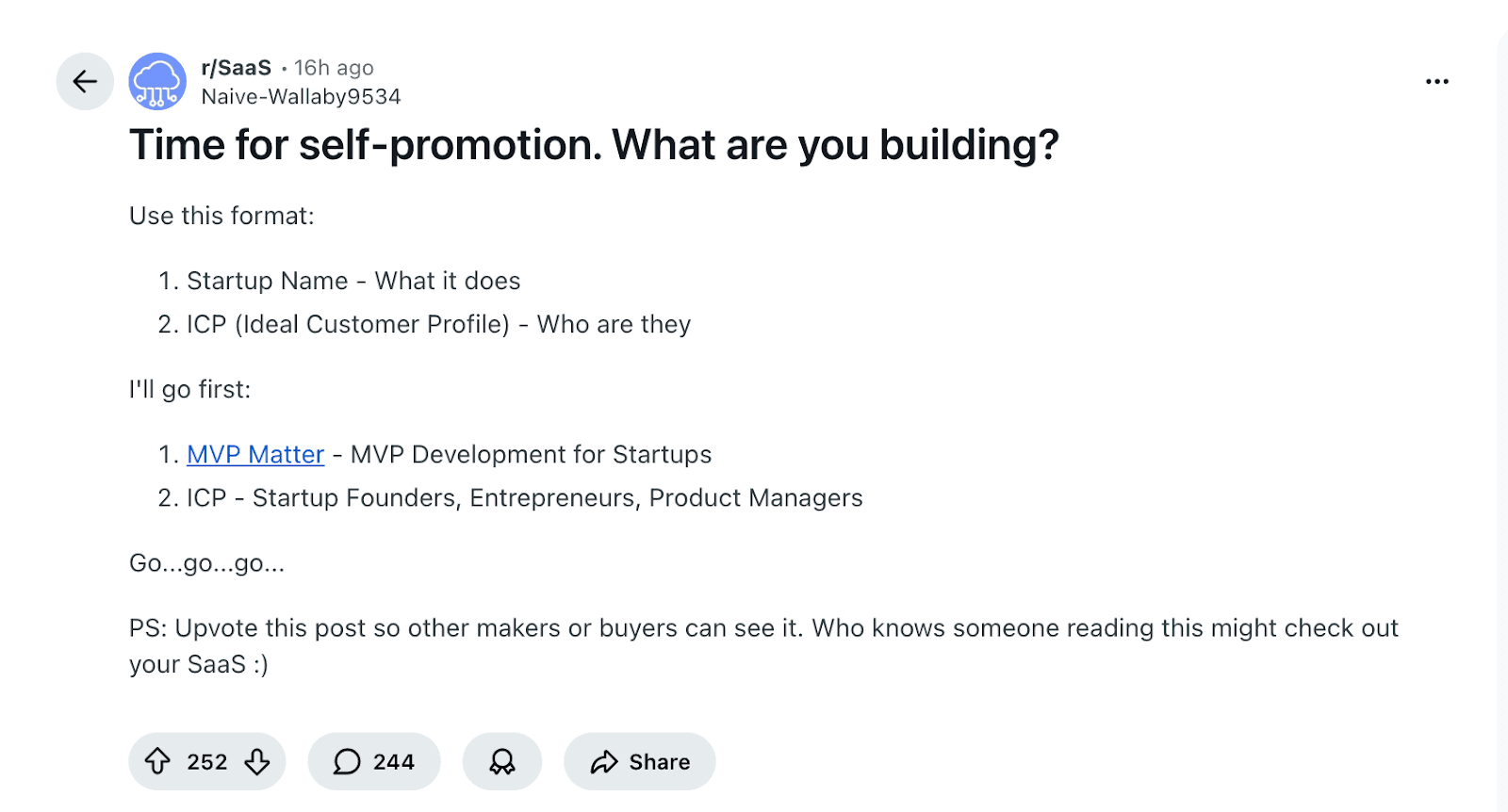
One of my (and I’m guessing most founders’) favorite platforms to get started with marketing and promoting what you sell. The trick here is to be normal, organic, and transparent as an everyday Reddit user could get.
Find subreddits with target audiences, share genuine insights, posts, and questions about the industry, and watch your Reddit mileage grow.
Quora
Like Reddit, but more focused on being a thought leader, is Quora. It’s a platform that rewards the best answers to questions. The interesting part is that a good answer to a question could be shared as answers for other similar questions to be asked after.
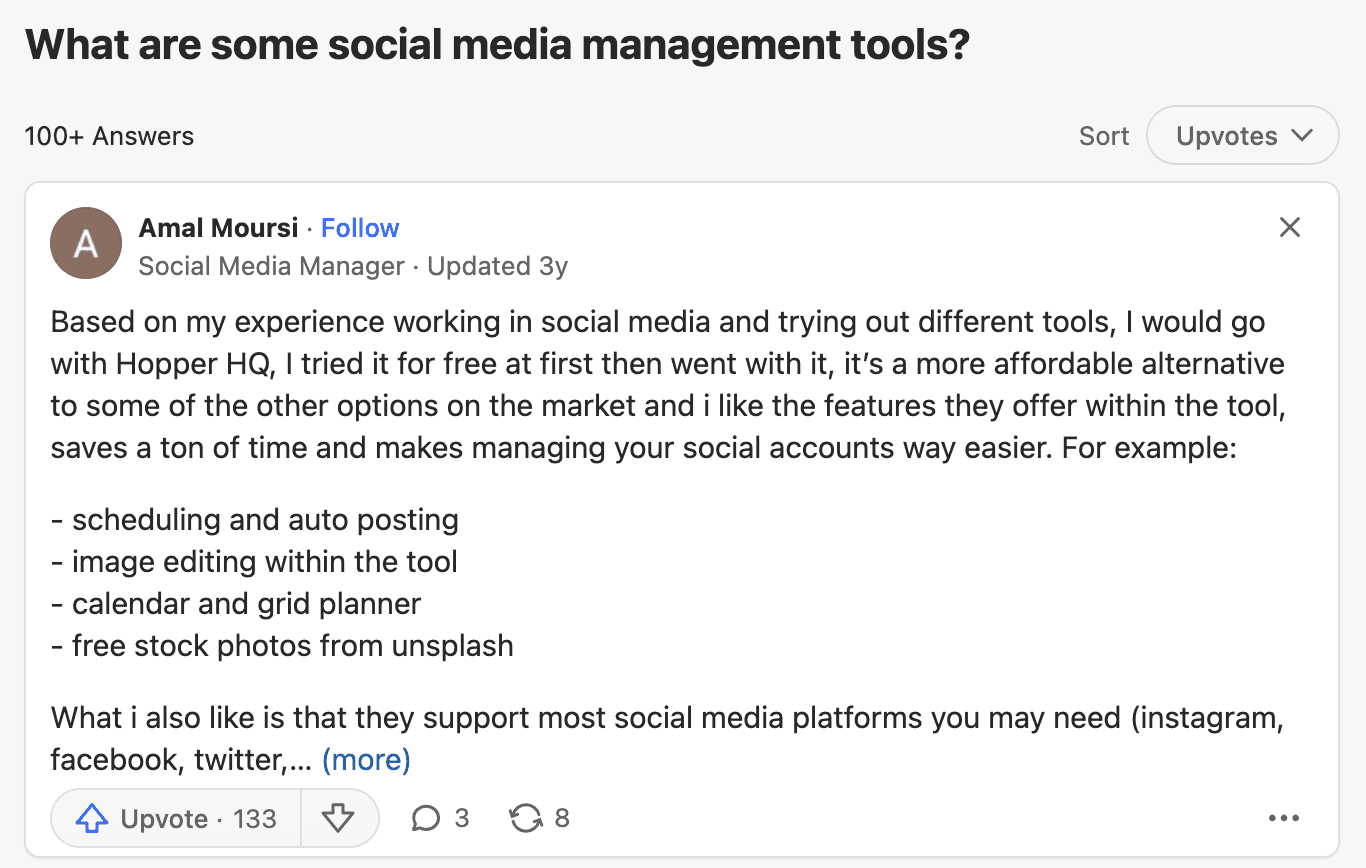
Make your answers straightforward, easy to skim, and get straight to your point. Also, comment on popular posts, newer ones, and ask relevant questions too.
TIkTok
One of the best distribution channels anyone could get their hands on. TikTok, specifically for those with SaaS or Apps targeted at Gen-Z, is a goldmine.
This is Jack Friks, who built his solo-founded tool, Postbridge, on the back of TikTok marketing.
Post videos and comments that are trending and optimize them for your niche. Add your thoughts in real-time conversations, and connect with other founders in your niche and adjacent niches.
Instagram
Follow the same strategy shared on TikTok, and you’re good. Post consistently, share trending reels or make one that follows the same trend, caption strategically, and make use of hashtags.
X (formerly Twitter)
Yes, a big one in the building in public, lean startups, and indie founders. X is an organic place to share what you do. Unlike LinkedIn that trends mostly on B2B, X can be both B2B and B2C depending on what your product is.
Also, you can make use of both short text and long text, images, videos, and now, long articles (which are being significantly boosted).
Similar to the strategy for the Medium section, you can create articles and organically insert your website, newsletter, or tool into the article.
An example is Dan Koe’s viral article, seen by over 100 million people. In it, he added;
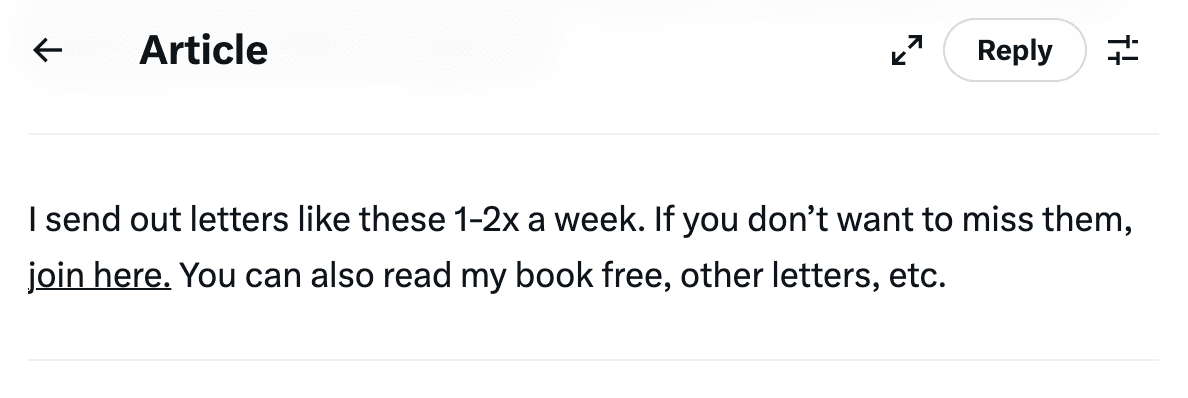
That’s more than 100M people seeing that.
YouTube
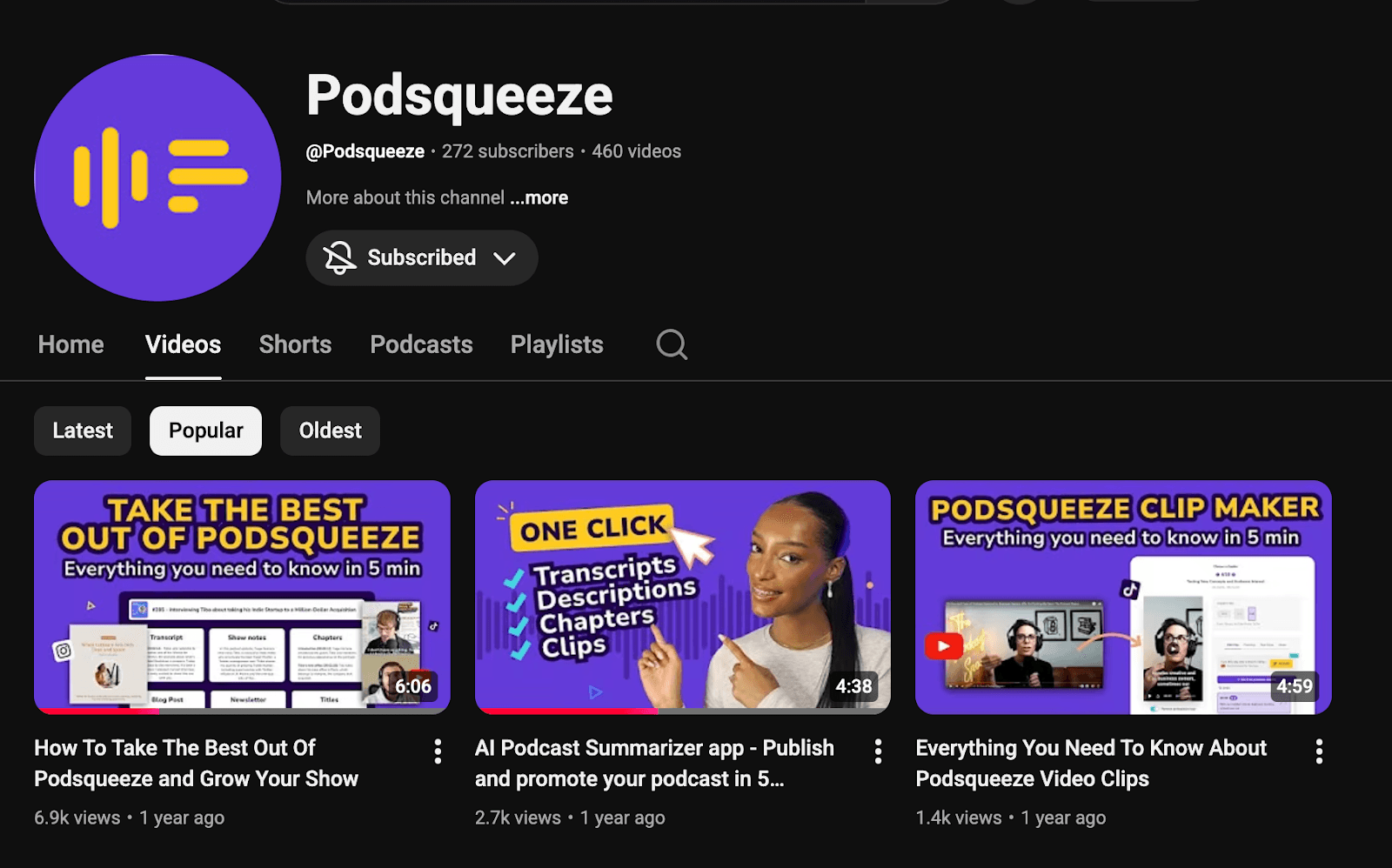
If you have a plan to integrate YouTube into your distribution stack, make sure to optimize your titles, tags, descriptions, and, importantly, create educational and how-to guides.
Creator mentions
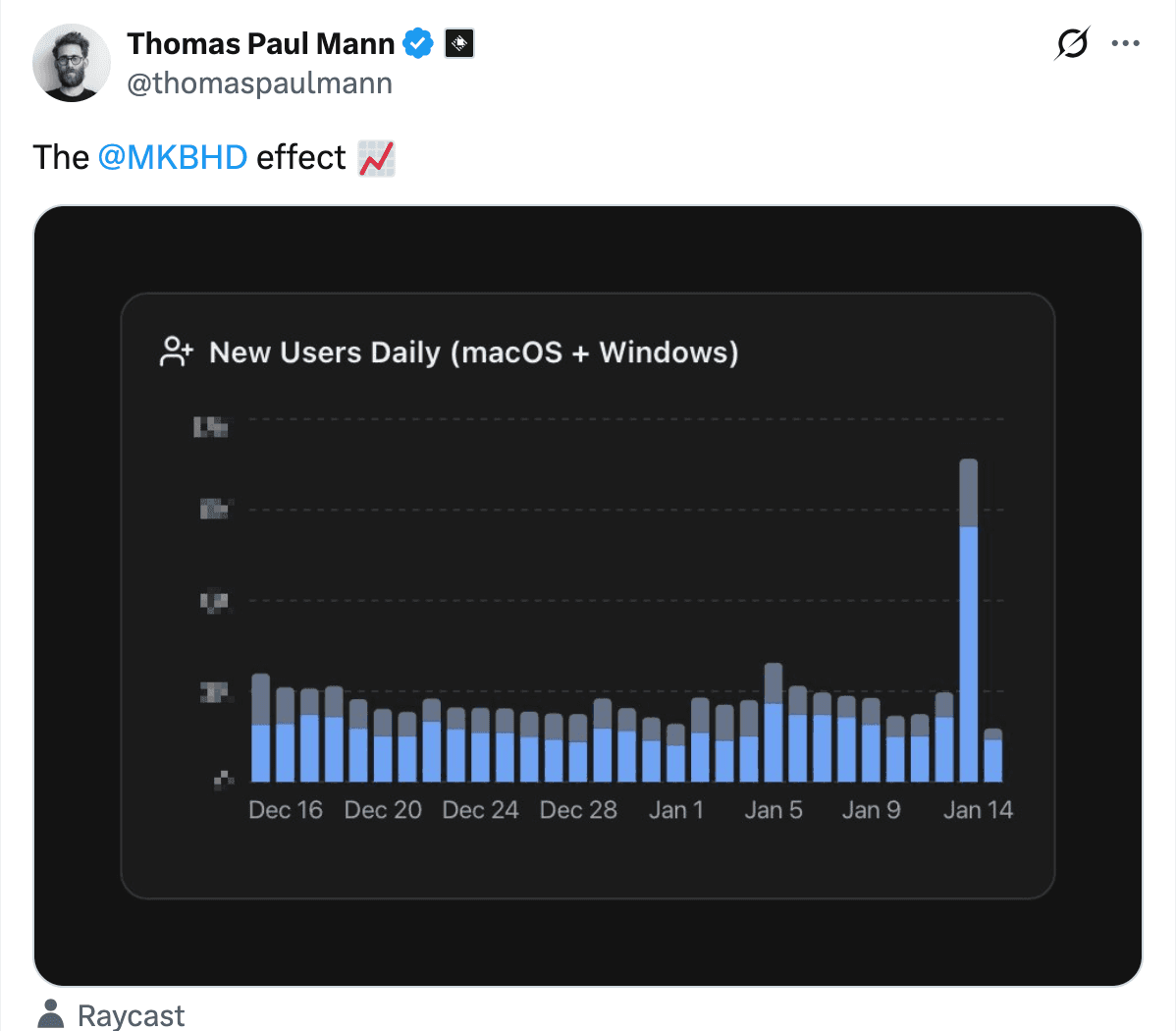
Imagine getting mentioned by a creator. Now, imagine getting mentioned by a big creator. Yes, that’s what happened to Raycast after getting mentioned by MKBHD.
We’ve all been there:
“How do I go from zero to one with my website traffic?”
Attempting to answer that question has led to this most comprehensive article about traffic sources for new websites, products, or tools.
This is Ranktio’s first article, so we are also following some of these to boost the traffic and get the best out of the sources that appeal to us.
Each traffic source will feature what it does, the best WAY to get the best out of it, and an example of someone, particularly like you, getting the best out of it.
Let’s get started.
Google
The elephant in the room. Google shows searchers the best content that answers their queries. How do you get the best out of it?
By SEO, thorough content optimization, and authority building. Xound, an AI audio cleaner, is an example of a tool getting the best out of Google. Their “Audio Quality Enhancer” page, created after 2 years of the website going live, is now generating about 60% of the website traffic and 18k visits monthly - from Google alone.
LLMs
The new and, predictably so, the next elephants in the room are LLMs. These are the ChatGPT, Perplexity, Claude, Gemini, and, interestingly, GenSpark are now sending thousands of users to specific websites. We have done this for a client before.
By providing concise, detailed, and up-to-date content that generative AIs can easily summarise, understand, and quote, you can get your business upfront in their mentions. Additionally, getting mentioned in pages that LLMs are already citing is a plus for you.
Directories Websites
The advent of generative AIs has birthed a lot of new business opportunities, one of which is the compilation and curation of good AI tools. A platform like TAAFT and TopAI was visited for more than 6 million times in December 2025 alone.
Submitting your tool (doesn’t have to be AI tools alone) on directories like this is a free traffic booster. Make sure to fill out every form required to get your tool submitted, and you’re live in the pool.
For TAAFT, new tools are displayed on its homepage. With the right titles and descriptions, your CTR can run wild.
Here’s a downloadable checklist of the best directories you can submit your website to. These are specifically curated and ranked.
Google Images
Google can pick up any shared picture online. And when it does, thousands of searchers can be directed to your website from there.
Stellar Digital is a 17-DR-rated website, ranking alongside industry leaders like Siege Media, for the highly competitive keyword “best content marketing agency” on Google Images.
With 62.6% of all searches on Google Web Search being on Google Images, optimizing every image on your website is the ideal move.
When you share images, optimize the filename, alt text, and schema to appear and be considered for ranking when relevant queries are searched.
LinkedIn
Although I have no account on it (my account is banned ‘for now’), I believe this professional platform of more than 800 million users is an effective traffic source to market your tool if you’ve got zero clicks.
Share thought leadership, team wins, comment on relevant posts, use hashtags, and share short, interesting videos.
Medium
Medium houses some of the best writers in the world, and in fact, it’s still home to some big brands' blogs and updates.
Share relevant content, updates, blogs, or just general thoughts (works best if it’s contrarian) on Medium and include links to your sites, contact pages, and additional resources from there.
For example, the image below is an article about the best AI tools of 2026. Everybody does that, right?
But when you dive into the article, it’s a gated one, which only paid members can read.
A gated article that only paid members can read, but if you’re a free member, you have to visit another website to read it - effectively sending free readers from Medium.
Note: Medium has about 100 million monthly readers, and only 1 million of those are paid ones. That means, 99% of readers on Medium will miss gated content and can be sent to your website.
Substack
Similar to Medium is Substack. I have no personal experience with it before (not as a creator or a reader either), but it’s still one of the best places to build traffic sources (if you already have an audience there).
If you do not have any, you can skip it and jump to Medium with its natural audiences. Publish thought-leadership content and link back to your site.
AppSumo
This is a discount site, and there are plenty like it. AppSumo is being visited more than [number of monthly visits] every month. You don’t just get traffic on it, but you get them as paying customers. It lets you give your tool out as a discounted one-time payment.
With over 1.5 million users, you can expect to get interested buyers from Appsumo’s pie.
Add optimized title, description, product features, and highlight the target audiences that your tool serves.
Email marketing
Like Substack, but on a grander scale, email marketing lets you reach targeted audiences without the algorithm/audience mixed up you get with Google and SEO. The only hindrance here is that it gets hard without an audience, and if you’re trying to get started without paying for newsletters with big audiences already.
Reddit
One of my (and I’m guessing most founders’) favorite platforms to get started with marketing and promoting what you sell. The trick here is to be normal, organic, and transparent as an everyday Reddit user could get.
Find subreddits with target audiences, share genuine insights, posts, and questions about the industry, and watch your Reddit mileage grow.
Quora
Like Reddit, but more focused on being a thought leader, is Quora. It’s a platform that rewards the best answers to questions. The interesting part is that a good answer to a question could be shared as answers for other similar questions to be asked after.
Make your answers straightforward, easy to skim, and get straight to your point. Also, comment on popular posts, newer ones, and ask relevant questions too.
TIkTok
One of the best distribution channels anyone could get their hands on. TikTok, specifically for those with SaaS or Apps targeted at Gen-Z, is a goldmine.
This is Jack Friks, who built his solo-founded tool, Postbridge, on the back of TikTok marketing.
Post videos and comments that are trending and optimize them for your niche. Add your thoughts in real-time conversations, and connect with other founders in your niche and adjacent niches.
Instagram
Follow the same strategy shared on TikTok, and you’re good. Post consistently, share trending reels or make one that follows the same trend, caption strategically, and make use of hashtags.
X (formerly Twitter)
Yes, a big one in the building in public, lean startups, and indie founders. X is an organic place to share what you do. Unlike LinkedIn that trends mostly on B2B, X can be both B2B and B2C depending on what your product is.
Also, you can make use of both short text and long text, images, videos, and now, long articles (which are being significantly boosted).
Similar to the strategy for the Medium section, you can create articles and organically insert your website, newsletter, or tool into the article.
An example is Dan Koe’s viral article, seen by over 100 million people. In it, he added;
That’s more than 100M people seeing that.
YouTube
If you have a plan to integrate YouTube into your distribution stack, make sure to optimize your titles, tags, descriptions, and, importantly, create educational and how-to guides.
Creator mentions
Imagine getting mentioned by a creator. Now, imagine getting mentioned by a big creator. Yes, that’s what happened to Raycast after getting mentioned by MKBHD.